

Vaccine Efficacy, Effectiveness, Safety and Markers of Protections the Impact of Vaccine Communication on Vaccine Acceptance in Greece: A Qualitative Study
METHODS: We conducted focus groups and semi-structured interviews in Greek with 88 caregivers and 32 pediatricians, homeopaths, public health officials and gynecologists in urban and semi-urban Athens. Data were transcribed and translated into English. Analysis for common themes followed using qualitative data analysis software (NVivo 10).
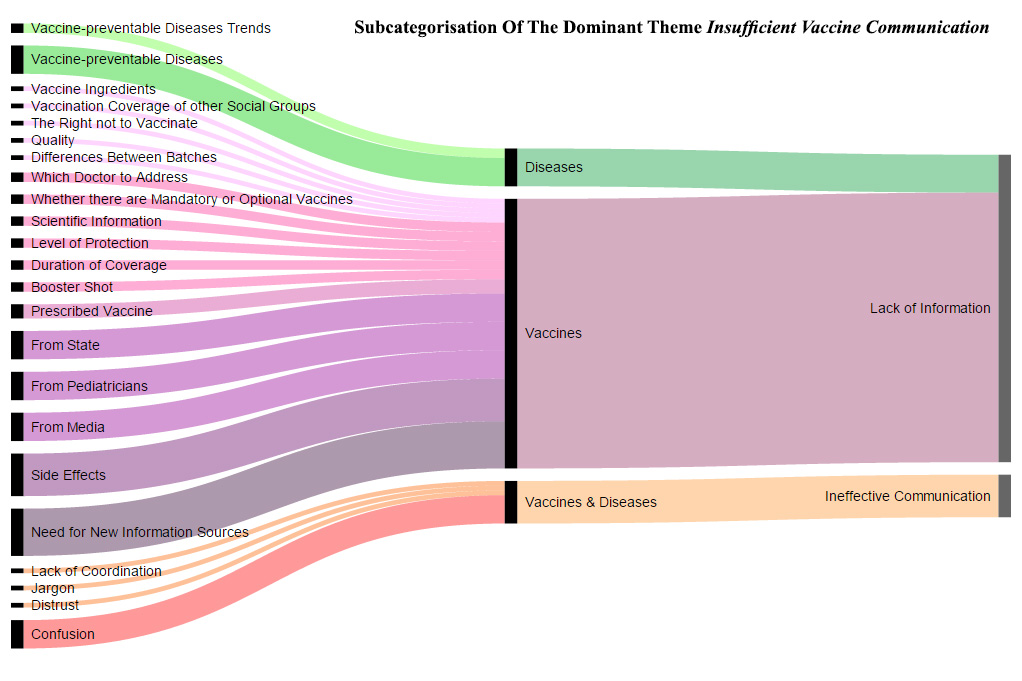
RESULTS: We identified 1.700 comments within 18 primary themes from focus groups. Pediatricians and caregivers reported high vaccine acceptance. Caregivers reported frequent exposure to negative information about vaccines from media sources, but this did not significantly affect their decision-making. Caregivers viewed vaccination as a shared decision with their pediatricians and viewed pediatricians as their primary source of vaccine information. However, both pediatricians and caregivers acknowledged that the medical community provided inconsistent messaging. A need for more accessible and reliable vaccine sources was expressed.
CONCLUSIONS: Vaccine acceptance is generally high in Athens. Efforts to strengthen the immunization program in Greece should focus on ensuring consistent communication from the medical community. Further research can identify the most effective implementation strategies for dissemination and proliferation of informationto caregivers and immunization providers.